
5 lessons we've learnt from 2025 as a street food tech startup


2025 was a defining year for Indi Local. We learned where real value sits in the street food community, what the industry actually needs, and how quickly a young business has to adapt when demand reveals itself.
Here are a few lessons we’re taking into the new year as a startup building technology for an industry that’s often overlooked and wildly underserved.
Start-up lesson 1: Community first

One of the biggest misconceptions about building a tech start-up is that progress only happens behind a screen.
While our development team focuses on improving the app, refining user experience, and building out a comprehensive back-office system, a large part of our work sits elsewhere: building trust, relationships, and relevance on the ground.
That’s why we spent almost a whole year going to street food events, promoting local pop-ups on our socials, and building connections before even launching the app.
By the time we went live, we already had an audience who believed in what we were doing. Being on the ground, meeting vendors, event organisers, and foodies in real life has given us the offline relationships and visibility needed to make our online efforts worthwhile.
Start-up lesson 2: Listen to your customers - they're your best advisors
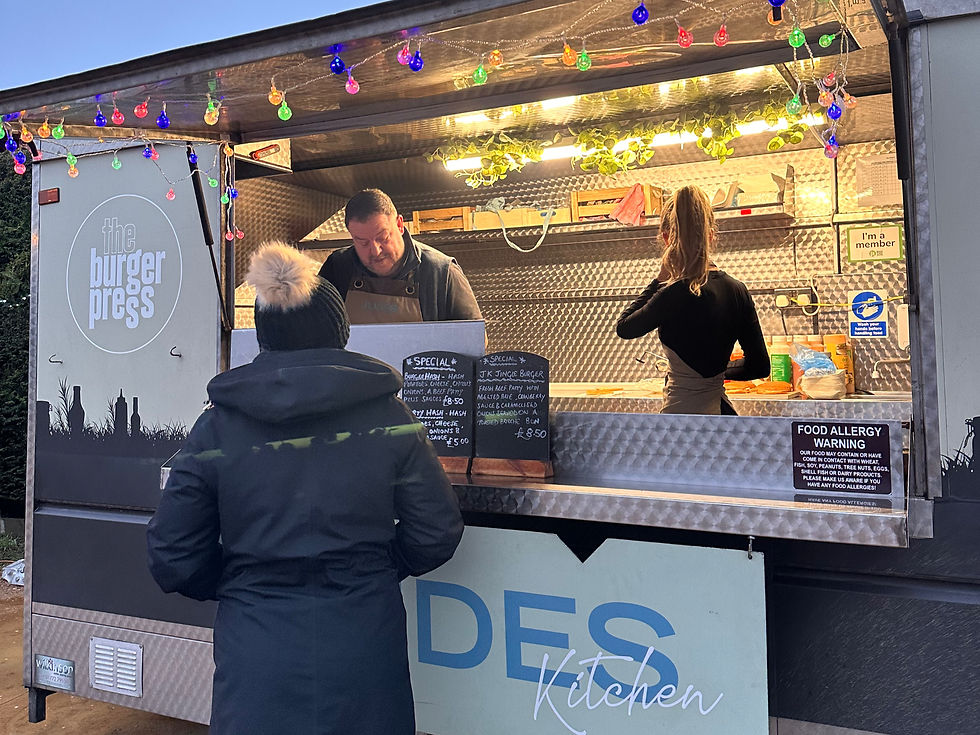
By listening closely to our vendors and event organisers, we learned what they truly need - not just what we assumed they needed. Listening also means observing how vendors and organisers operate, paying attention to what works and what frustrates them, and asking the right questions has taught us more than any theory or assumption ever could.
For example, conversations with vendors like Tapas Zampa and Nathan’s Kitchen highlighted a recurring issue with many loyalty apps: they often look good on paper but fail to account for the real costs and operational effort required from vendors. That feedback pushed us to focus on tools that feel sustainable and worthwhile for traders, not just attractive to foodies.
One of the clearest lessons came from watching how vendors incentivise behaviour. When We Will Wok You offered free spring rolls to encourage customers to follow him on the Indi Local app, it inspired us to explore exclusive in-app rewards for vendors who want to reward their customers in a way that gives repeatable value to the vendor and giving people a reason to stay connected.
These insights remind us that the people using our platform every day are our best advisors. Listening carefully allows us to focus on solutions that are not only innovative but also genuinely useful for the street food community.
Startup lesson 3: Pivot when it's needed

Indi Local began as a discovery app helping people find street food nearby. In practice, demand quickly pulled us further upstream.
As inbound requests from organisers increased, we found ourselves increasingly connecting vendors with trading opportunities, from charity events and festivals to private parties and corporate bookings.
It all started back in March, a group of Event Management students from the University of Northampton asked us to source street food vendors for a multicultural charity event supporting Northampton Hope Centre. We curated a stellar foodie line-up, and it was incredibly rewarding to see the community come together for such a great cause.
In the following months, we began proactively connecting our vendors with events and quickly realised we were filling a gap in the market we hadn’t fully anticipated. By managing street food rotations and taking care of the admin for event organisers, we made it easier to bring street food to corporate events and other pop-ups.
Now we’re also pitching to event organisers and pub owners, showing them how we can help reengage their patrons by using our software. We’re still learning & iterating as we go, but as a street food tech start-up, it’s crucial to follow where the “wave” of opportunity takes us - adapting our services to meet real needs and create impact for both vendors and organisers.
Start-up lesson 4: Always say yes to a PR opportunity

If there’s one thing we’ve learned this year, it’s to always say yes when someone offers us a chance to keep street food front of mind.
Whether it’s sharing the stage with street food heavyweights at the Street Food Business Expo, being featured on Invest in West Northants alongside big industry names, winning gold at Northamptonshire Food & Drinks Awards or speaking with BBC Northampton the morning after winning an award, these moments give us the chance to advocate for the street food community, highlight the realities of running a mobile food business, and communicate why this industry deserves better infrastructure.
This exposure isn’t about building our profile in isolation. It creates a wider ripple effect. When people discover Indi Local through these channels, they also discover our vendors. Increased awareness drives more app downloads, more visibility for our vendors and a stronger chance of being found by organisers, venues, and customers who are actively looking.
In short, we treat PR as a distribution channel. It’s one of the ways we attract the right partners, build trust at scale, and keep creating demand for the businesses on our platform.
Start-up lesson 5: Always be open to trying new things

Sometimes building a business means taking risks and/or trying things that don’t always scale, and that’s okay.
It was five days before the Silverstone Park winter party where we had a selection of our vendors lined up to serve and we were asked if we could help guests order food from inside the marquee so they didn’t miss out on the entertainment. Table service wasn’t possible due to budget constraints and bulk serving wasn’t an option due to the nature of the food.
We suggested a QR code ordering system despite not having anything readily available, because the opportunity to add this to our offering was too strong to let pass. After a couple of sleepless nights building,and testing we took our solution to the event with us. On the day, almost 300 guests were able to place orders by scanning the QR codes we set up around the venue, get notifications when their food was ready, and enjoy the entertainment without queuing outside. It wasn’t 100% perfect, but it taught us a lot about how far a little agility and quick thinking can go.

We also tried our hand at going old-school: one Thursday afternoon, we noticed a pile of outdated flyers we’d printed over a year ago. Rather than discard them, we realised we may as well try get some eyeballs on them, so we tried a last-minute flyer drop in a nearby village. To our surprise, people scanned the QR codes, downloaded the app, and explored the vendors before we even left.
These experiences reminded us that creating value for vendors and the community often means experimenting, observing what works, and learning from the outcomes. Almost every day, we’re exploring new ways to help our vendors reach more customers and make street food more discoverable - sometimes that means taking a leap, even if the path isn’t perfectly clear.
Looking Ahead
2025 taught us that building a street food tech start-up requires more than software. It requires proximity to the problem, a willingness to adapt, and a clear understanding of where value is created.
In 2026, we’re especially excited about working more closely with event organisers and pub owners to create smoother, smarter experiences for vendors and customers alike.
If you believe in the potential of street food and want to back a platform that listens, adapts, and delivers real impact, watch this space - this is just the beginning or drop us an email hello@indilocal.co.uk to be added to our investor updates mailing list!


Comments